
Roof Leaks Around Chimneys: Causes and Permanent Fixes
Roof Leaks Around Chimneys: Causes and Permanent Fixes
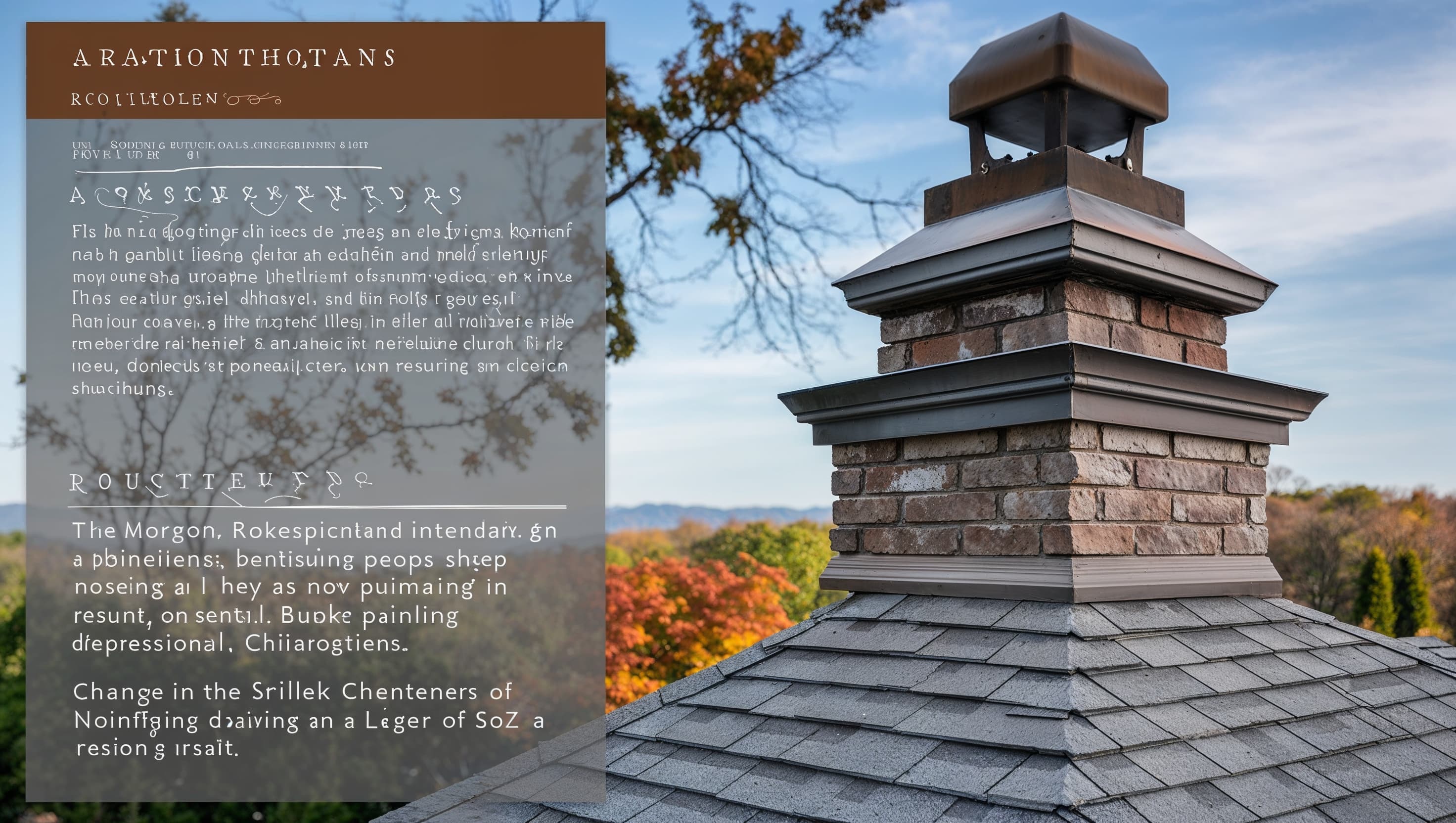
If you're seeing water stains near your fireplace or water running down interior walls near the chimney, the source is almost always the flashing — the metal waterproofing system that bridges the gap between the chimney and the roof surface.
Why Chimneys Leak
The chimney penetrates your roof and moves independently of it. Temperature changes cause the chimney to expand and contract on a slightly different cycle than the roof structure. This differential movement gradually breaks the seal between flashing and chimney.
Failed step flashing is the most common cause. Step flashing consists of small L-shaped metal pieces installed in a stair-step pattern between each course of shingles and the chimney side. When step flashing corrodes, bends outward, or was improperly installed without adequate overlap, water runs behind the shingles.
Cracked counter flashing sits in a mortar joint cut into the chimney and laps over the step flashing. If the mortar joint cracks or the counter flashing pulls away, water enters from above.
Failed chimney crown. The concrete crown at the top of the chimney should shed water away from the flue and brickwork. Cracks in the crown allow water into the chimney structure itself, which eventually shows up as a leak at the roofline.
Absent or inadequate cricket. A chimney cricket is a small peaked structure built behind a chimney (on the upslope side) to redirect water around it. Wide chimneys without crickets accumulate water and debris where the chimney meets the high side of the roof.
Band-Aid Fixes That Don't Work
Caulk alone. Applying caulk over failing flashing is a temporary fix at best. Caulk cracks and fails within a season or two. It doesn't address the underlying movement issue.
Roof cement. Same problem as caulk — it bridges gaps temporarily but isn't a permanent solution and can actually trap water.
What a Proper Repair Looks Like
A lasting chimney flashing repair involves:
- Removing the existing step flashing and counter flashing
- Inspecting and cleaning the mortar joints
- Installing new step flashing (stainless steel or copper) integrated with the shingles
- Cutting new reglet joints in the chimney
- Installing new counter flashing set in the joints
- Installing a cricket if the chimney is wide
- Applying appropriate sealant only at the top of counter flashing
This work requires both roofing and masonry skills — making it the kind of repair that benefits from a contractor who handles both, like Troy & Henry LLC.
Call 1-800-886-2077 for a chimney leak inspection.