
Masonry Steps and Walkways: Materials, Costs, and What to Expect in NJ
Masonry Steps and Walkways: Materials, Costs, and What to Expect in NJ
Front entry steps and walkways are often the first masonry work homeowners inquire about. They see it every day, visitors see it immediately, and deteriorating steps create both a safety hazard and a curb appeal problem. Here is a complete picture of what goes into a masonry steps and walkway project in North Jersey.
Material Options
Concrete is the most cost-effective option for steps and walkways. Properly poured with adequate reinforcement and expansion joints, concrete is durable and low-maintenance. A broom-finish surface provides traction. Concrete can also be stamped or colored for a more decorative result.
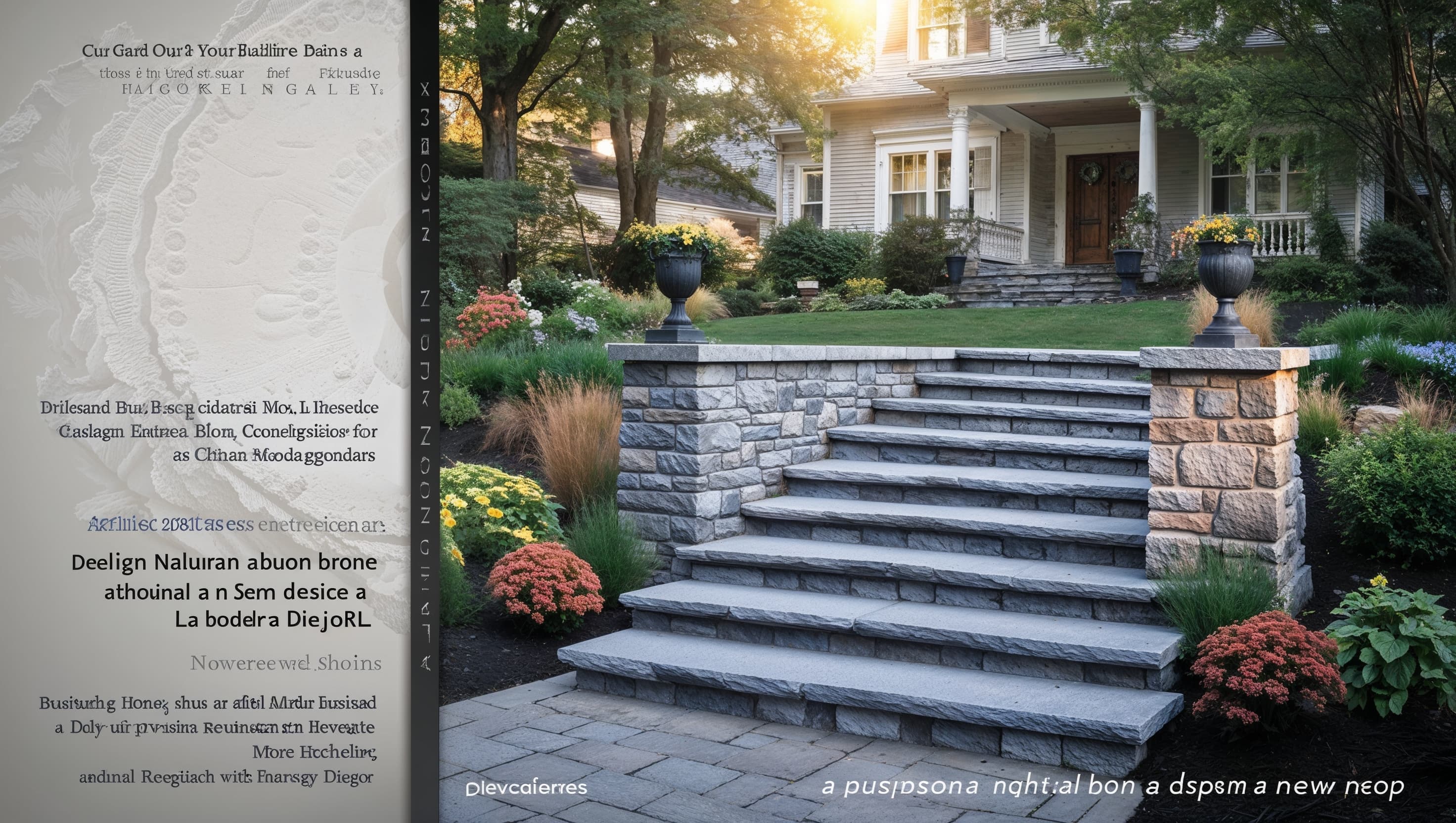
Bluestone is a blue-gray Pennsylvania sandstone that has been the traditional material for North Jersey entry steps and walkways for decades. It is highly durable, naturally slip-resistant when cut with a cleft face, and aesthetically sophisticated. Bluestone steps are set on a concrete base with proper mortar beds.
Concrete pavers offer design flexibility — color, shape, and pattern options are extensive. Individual pavers can be reset if they settle, making long-term maintenance straightforward. Pavers are installed on a compacted aggregate base.
Natural stone (granite, brownstone) is used on higher-end projects and historic home restorations where authenticity matters.
What the Installation Process Looks Like
A typical masonry steps and walkway installation follows this sequence:
- Demolition — removing the existing steps, walkway, and sufficient base material
- Excavation — digging to proper depth below the frost line in New Jersey (approximately 36 inches) for footings
- Forming and footing pour — concrete footings that prevent frost heave
- Masonry construction — building the step structure and walkway slab or paver base on the footings
- Setting the finish material — bluestone, pavers, or concrete finish surface
- Pointing — filling mortar joints and cleaning the finished surface
How Long Does It Take?
Most residential steps and walkway projects take 2 to 4 days for the masonry work. Concrete needs curing time before use. Full strength is reached at 28 days, though the surface is typically serviceable within a week.
Cost Factors
Cost is driven by material choice, scale, complexity (curved walkways, multiple landing levels), and site conditions. Steps with complex geometry cost more than straightforward rectangular designs.
Contact Troy & Henry LLC at 1-800-886-2077 for a free estimate on your steps and walkway project.