
Masonry Cracks and Water Damage: How to Stop the Cycle
Masonry Cracks and Water Damage: How to Stop the Cycle
Masonry — brick, block, stone, and concrete — is often thought of as permanent and maintenance-free. In practice, all masonry is subject to water infiltration and the physical stress of New Jersey's seasonal temperature swings.
Why Masonry Cracks
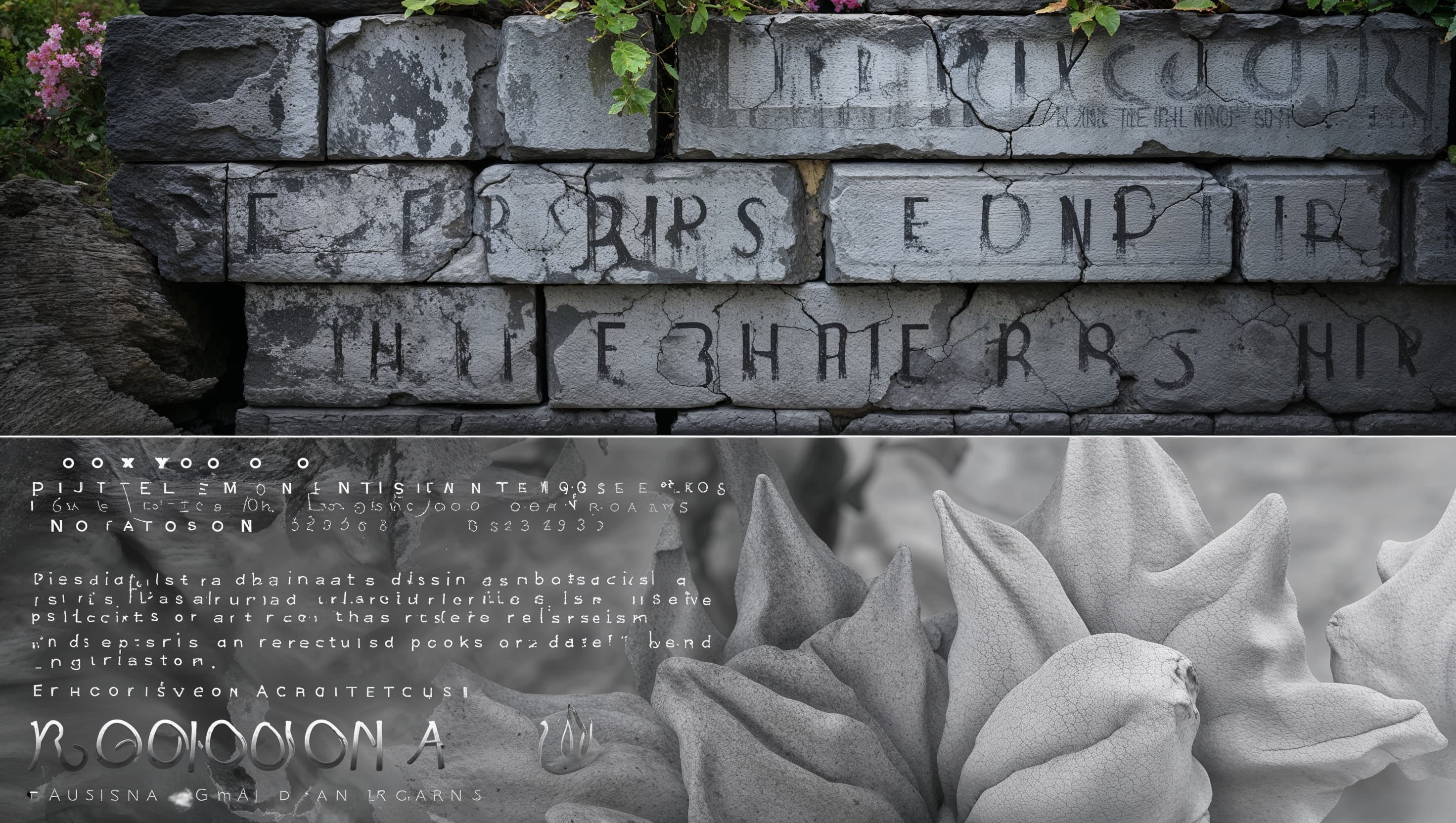
Masonry expands and contracts with temperature changes. Over time, these micro-movements create stress fractures, particularly at corners, openings (windows and doors), and locations where different materials meet.
Foundation settlement creates diagonal cracks in brick walls, typically running along mortar joints in a stair-step pattern.
Freeze-thaw cycles are the most damaging force. Water enters hairline cracks, freezes to 9% greater volume, and mechanically forces the crack wider. After enough cycles, what started as a hairline crack becomes a structural gap.
Poor drainage concentrates water against masonry surfaces and accelerates this process.
Types of Masonry Cracks
Hairline cracks in mortar joints — often cosmetic but worth sealing to prevent water entry.
Step cracks — diagonal cracks following mortar joints, often indicating differential settlement.
Horizontal cracks in block walls — can indicate significant lateral soil pressure and require engineering assessment.
Vertical cracks in brick facades — can be caused by thermal expansion, lintel failure above windows, or foundation movement.
How We Repair Masonry Cracks
The right repair method depends on the crack type, location, and underlying cause.
Tuckpointing — the standard repair for deteriorated mortar joints. Old mortar is cut out to a minimum depth of 3/4 inch and new mortar is packed in, matching the original profile and color.
Crack injection — for narrow cracks in concrete where the structure needs to be bonded back together.
Parging — applying a fresh mortar coat to a masonry surface to restore the water-shedding face and seal hairline damage.
Lintel replacement — when a steel lintel above a window or door has rusted and expanded, causing the brick above to crack and shift.
The Most Important Step
Before repairing any masonry crack, it is essential to identify and eliminate the water source driving the damage. Crack repair without drainage correction is a temporary fix.
Troy & Henry LLC provides comprehensive masonry assessments and repair across North Jersey. Call 1-800-886-2077.