
Chimney Masonry Repair: What Homeowners Need to Know
Chimney Masonry Repair: What Homeowners Need to Know
Your chimney takes more abuse than almost any other part of your home. It's exposed to freeze-thaw cycles, rain, snow, sun, and heat from inside. Over time, even well-built chimneys develop masonry problems that need professional attention.
Common Chimney Masonry Problems
Deteriorated mortar joints are the most common chimney issue. Mortar is softer than brick and erodes faster. When mortar joints crack or crumble, water penetrates, and the next freeze-thaw cycle widens the gaps further. Left untreated, this leads to loose bricks and eventually structural failure.
Spalling bricks occur when water absorbed by bricks freezes and expands, breaking off the face of the brick. Spalling is a sign that water is already inside the masonry. It gets worse every winter.
Crown and cap damage. The concrete crown at the top of the chimney keeps water out of the flue. Cracks in the crown let water run directly into the chimney structure. A missing or damaged chimney cap allows rain, animals, and debris inside.
Flashing failures. The metal flashing where the chimney meets the roofline is a primary source of chimney leaks. Old or improperly installed flashing pulls away from the chimney, creating gaps that funnel water into the home.
What Is Tuckpointing?
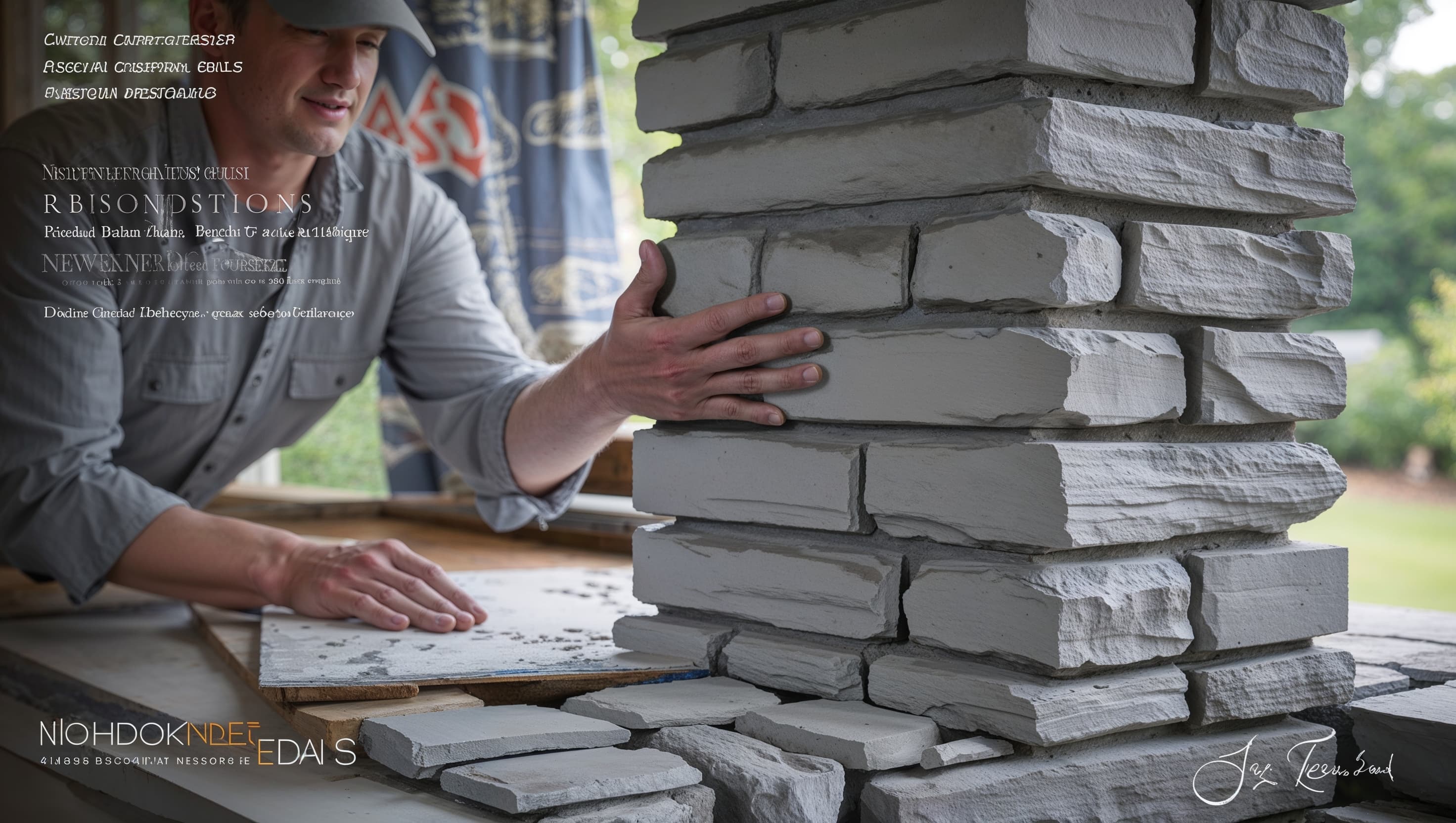
Tuckpointing is the process of removing deteriorated mortar from chimney joints and replacing it with fresh mortar. Done correctly, it extends chimney life by 20–30 years and costs a fraction of a chimney rebuild. Most homeowners can't tell the difference between fresh tuckpointing and new construction.
The process involves:
- Grinding out degraded mortar to a minimum depth (typically 3/4 inch)
- Cleaning the joints thoroughly
- Packing in fresh mortar matched to the brick color and composition
- Finishing the joint profile to match the original
When Is a Full Rebuild Needed?
If a chimney has been neglected long enough that bricks are loose, the structure is leaning, or water has damaged the internal flue lining, tuckpointing alone isn't enough. A partial or full rebuild involves disassembling the chimney above the roofline and rebuilding it course by course with new materials.
Don't Wait on Chimney Repairs
Chimney damage compounds quickly. A chimney with failing mortar that could be repaired for $800–$1,500 today can become a $6,000–$12,000 rebuild in a few years. If you see cracks in mortar joints, missing brick faces, or water stains around your fireplace, have it inspected now.
Troy & Henry LLC handles chimney repair and rebuilds throughout North Jersey. Call 1-800-886-2077 for a free inspection.