
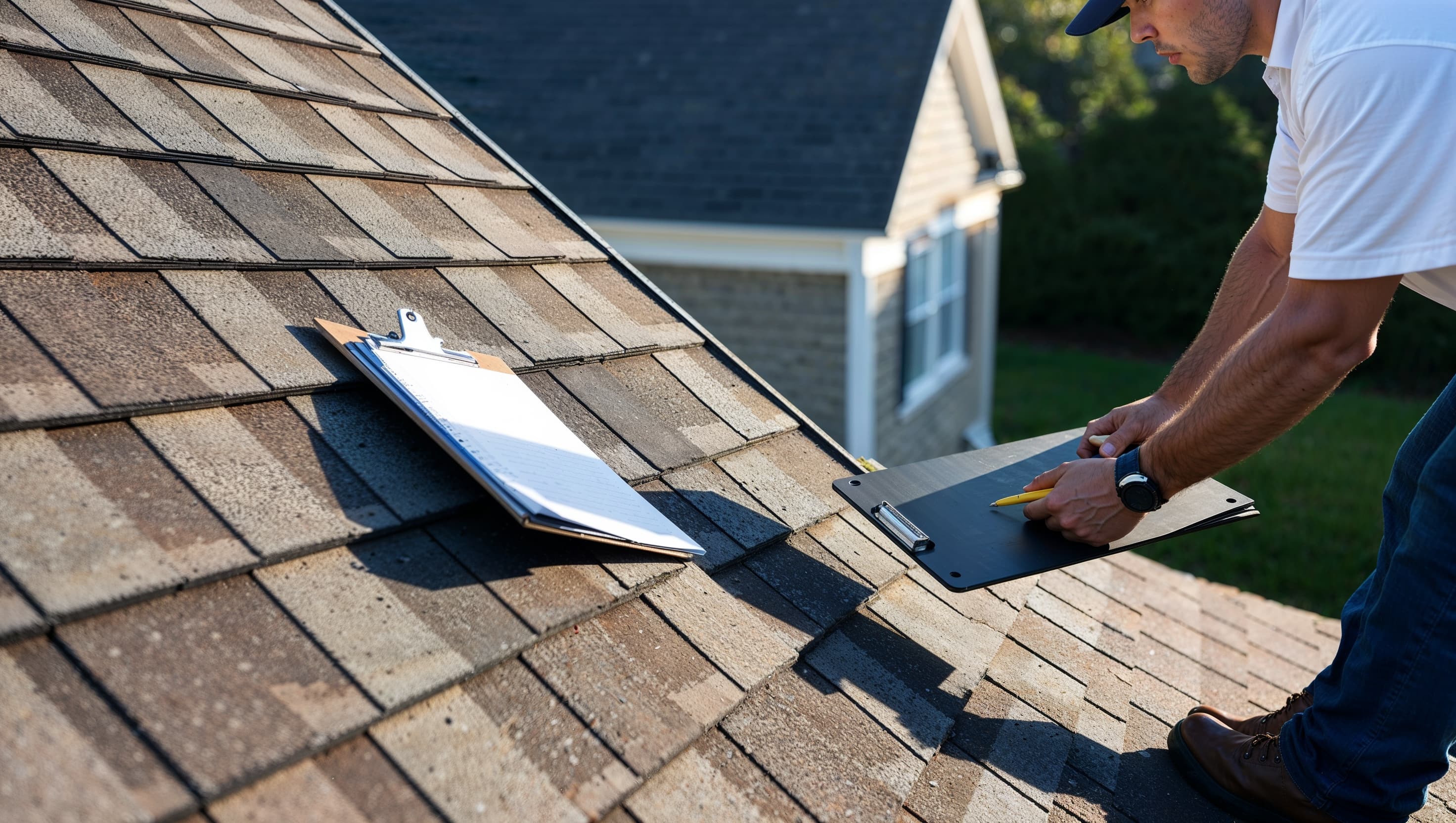
Annual Roof Maintenance for New Jersey Homeowners: A Seasonal Guide
Annual Roof Maintenance for New Jersey Homeowners: A Seasonal Guide
New Jersey's climate is genuinely demanding for roofing systems. Winter brings freeze-thaw cycles and ice dams. Spring brings heavy rain and wind. Summer UV is intense, and fall leaf drop clogs gutters before winter arrives. A roof that isn't maintained appropriately for each season degrades faster than it should.
Here's the seasonal maintenance guide we recommend to every homeowner we work with.
Spring: Post-Winter Assessment
Winter is hardest on roofs. Spring is the time to evaluate the damage.
Ground-level inspection:
- Walk the perimeter and look for any shingles that came down over winter
- Check gutters — are they still properly attached and draining?
- Look for any areas where ice dams may have caused visible damage to the edge course of shingles
Attic inspection:
- Check for any new moisture staining on rafters or sheathing
- Look for daylight coming through (indicates gaps)
- Confirm attic ventilation is clear
Gutter cleaning: Clean gutters and flush downspouts. Spring tree bloom adds pollen and debris on top of the winter accumulation.
Summer: Preventive Treatments
Summer is the best season for most roof maintenance and repair work because of dry weather and long days.
Algae and moss treatment: Black streaking (algae) and moss growth can be treated with zinc or copper-based solutions. Roof washing should always be done with a low-pressure soft wash, never a pressure washer — high pressure damages granules.
Minor repair scheduling: If the spring inspection revealed any areas needing attention, summer is the time to address them before fall storms.
Fall: Pre-Winter Preparation
Fall preparation is critical in New Jersey.
Gutter cleaning (again, late fall): Wait until the leaves have mostly dropped — typically mid to late November — and do a final gutter cleaning. Full gutters going into winter is one of the primary causes of ice dam formation.
Trim overhanging branches: Branches that overhang the roof deposit debris, hold moisture, and can fall in winter storms.
Chimney inspection: Have the chimney inspected and cleaned before the first heating fire.
Winter: Storm Monitoring
After major snow events: Roof snow load is a concern on low-slope roofs. The general guideline is that more than 18–24 inches of heavy wet snow warrants removal using a roof rake from the ground — not climbing on the roof.
Ice dam monitoring: Watch for ice buildup at the eaves. If ice dams are forming season after season, the root cause is almost always inadequate attic insulation or ventilation — not a roofing problem.
Troy & Henry LLC offers annual maintenance inspections throughout North Jersey. Call 1-800-886-2077 to schedule.